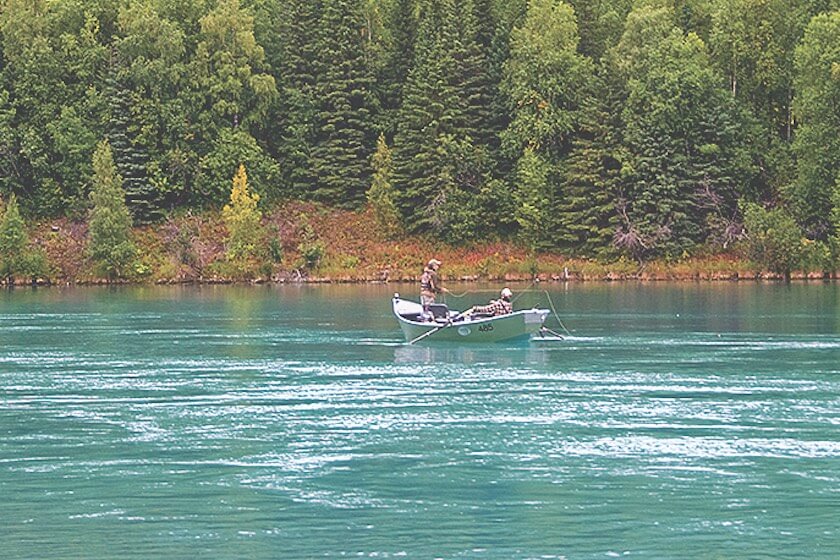
A Soldotna Alaska fishing base camp is a strategically located home base in Soldotna, AK that gives visiting anglers direct access to the Kenai River’s most productive sockeye, silver salmon, and rainbow trout runs. Choosing the right base camp location can mean the difference between spending your mornings on the water or burning daylight in transit.
This guide focuses specifically on how to use Soldotna as your central hub for a full week of Kenai River fishing in 2026, covering timing, logistics, gear, lodging options, and how to make every day count.
Soldotna Alaska Fishing Base Camp Definition: A Soldotna Alaska fishing base camp is a lodging and logistics hub positioned within minutes of the Kenai River’s most accessible bank and drift boat launch points, allowing anglers to maximize time on the water across multiple fishing sessions per day.
The most common mistake first-time visitors make is booking lodging in Anchorage and commuting down the Seward Highway each day. That drive eats two to three hours round trip. From Soldotna, you can be rigged up and on the water in under fifteen minutes. That difference adds up fast over a week-long trip.
Why Soldotna Beats Every Other Kenai Peninsula Town for Fishing Access
Homer is beautiful. Seward has stunning scenery. But neither one puts you where the fish are the way Soldotna does. The city sits directly on the Kenai River at the point where both the upper and lower river sections become highly productive from late June through September.
According to the Alaska Department of Fish and Game, the Kenai River system consistently produces some of the highest sockeye salmon returns in the state. Soldotna sits right in the middle of the action, making it an ideal base for anglers looking to take full advantage of productive river conditions.
Why location matters:
- Multiple public bank fishing access points within the city limits
- Drift boat launches at Centennial Park and Soldotna Creek Park
- Guide services, tackle shops, and fish processing all within a short drive
- Easy access to both the upper Kenai near Sterling and the lower river toward Kenai city
Anglers based in Soldotna benefit from significantly more time on the water compared to those commuting from the north peninsula. That advantage compounds meaningfully over the course of a seven-day trip.
Soldotna vs. Anchorage as a Base: Which Approach Works?
Where Soldotna succeeds: Direct river access, local guide connections, fish processing on-site, no daily commute, and a genuine fishing-town culture that makes the whole trip feel immersive rather than logistical.
Where Soldotna falls short: Fewer large airport options, limited major retail, and lodging fills up fast during peak sockeye season in July. You need to book early for 2026.
Where Anchorage succeeds: International airport, wider hotel selection, more dining variety, and easier access to other parts of Alaska if you want to combine trips.
Where Anchorage falls short: It’s a 2.5 to 3-hour drive to Soldotna each way. That’s 5 to 6 hours of daily driving on a fishing trip. The math simply doesn’t work for serious anglers.
The verdict: If fishing is the primary purpose of your trip, Soldotna wins without question. Fly into Anchorage, rent a vehicle, drive south on the Sterling Highway, and don’t look back. Base yourself at a lodge or rental property near Funny River Road or the river corridor and treat Soldotna as your operational home for the week.
Thinking about this for your situation? Let’s talk. Contact us and we’ll walk you through your options with no pressure.
Your Soldotna Kenai River Fishing Week Action Plan
- Step 1 – Book Lodging Before March 2026: Peak-season availability along the Kenai corridor disappears fast. Properties near Funny River Road in Soldotna offer proximity to both bank access and guide launch points. Lock in your dates before the spring rush hits.
- Step 2 – Choose Your Target Species by Month: Late June through mid-July means first-run sockeye. Mid-July through August brings the second sockeye run plus early silvers. September is prime for silver salmon and trophy rainbow trout. Build your travel dates around your target species.
- Step 3 – Hire a Licensed Guide for At Least Two Days: Alaska-licensed guides hold commercial use permits for the Kenai River and know current hot spots, drift patterns, and regulation updates for 2026. Even experienced anglers benefit from local knowledge on an unfamiliar river.
- Step 4 – Get Your Alaska Fishing License Before You Arrive: You can purchase a non-resident Alaska fishing license and King Salmon stamp online through the Alaska Department of Fish and Game. Note that king salmon sport fishing has faced closures on the Kenai in recent seasons, so verify 2026 regulations before purchasing a king stamp specifically.
- Step 5 – Plan for Fish Processing and Export: Most Soldotna area processors can vacuum-seal and freeze your catch for air transport. Confirm capacity with your chosen processor before your trip, especially during peak July weeks when demand surges.
- Step 6 – Pack for Variable Weather: July temperatures in Soldotna average in the low 60s Fahrenheit, but rain is consistent. Layered waders, waterproof outer layers, and rubber-soled boots are non-negotiable for bank fishing on the Kenai.
What Your Week Actually Looks Like on the Ground
Here’s a realistic day-by-day structure that works well for most visiting anglers staying in the Soldotna area:
| Day | Focus | Estimated Cost (2026-2026) | Notes |
|---|---|---|---|
| Day 1 | Arrive, gear check, bank fishing at Centennial Park | $0-$50 for licenses | Get your bearings, test gear |
| Day 2-3 | Full-day guided drift boat trip | $250-$350 per person | Best introduction to the river |
| Day 4 | Independent bank fishing at Soldotna Creek Park | $0 | Apply what you learned |
| Day 5 | Half-day guided trip plus fish processing drop-off | $150-$200 per person | Confirm processor timeline |
| Day 6 | Upper Kenai near Sterling for rainbow trout | $50-$100 for gear/access | Fly fishing optional |
| Day 7 | Final morning session, pack fish for travel | $75-$150 for boxing/shipping | Depart afternoon |
See a full overview of trip planning support at our services page. And for local trip logistics in Soldotna, Great Land Adventures is positioned right in the heart of the action on Funny River Road.
Ready to build your 2026 itinerary? Get more information and we’ll help you put together a plan that fits your group size, budget, and target species.
Alaska Fishing License and Regulation Essentials for 2026
Non-resident fishing license (Alaska, 2026): Annual non-resident licenses run approximately $145, with 3-day and 7-day options available for shorter trips. Sport fishing licenses are required for all anglers 16 and older.
Kenai River special harvest area: The lower Kenai River operates under special regulations during sockeye runs, including designated bank fishing sections and gear restrictions. Check the Alaska Department of Fish and Game for 2026 emergency order updates, which can change during peak season based on in-season run assessments.
Alaska has no state income tax and no general sales tax, which means your money goes further here than it would on comparable fishing trips to Washington, Oregon, or California. That’s a real financial advantage for the overall trip budget.
Key Takeaways for Visiting Anglers in 2026
- Location is everything – Soldotna puts you within minutes of the best Kenai River access points, not hours
- Book early – Peak July lodging fills by late winter for the 2026 season, especially properties near Funny River Road
- Match your dates to your species – Sockeye peak in July, silvers run August through September, rainbows are best in September
- Hire a guide for at least part of your trip – Local knowledge on permit regulations and current fish locations is worth every dollar
- Plan your fish transport ahead of time – Processing and air cargo logistics take planning, not last-minute scrambling
Frequently Asked Questions
What is the best month to fish the Kenai River from Soldotna in 2026?
July is typically the peak month for sockeye salmon volume on the Kenai River, making it the most popular window for Soldotna-based trips. That said, August through early September offers strong silver salmon runs with significantly fewer crowds and more lodging availability.
How far is the Kenai River from downtown Soldotna?
The Kenai River runs directly through Soldotna, with public bank access at Centennial Campground and Soldotna Creek Park both within the city limits. Most lodging properties in the area are within a five to fifteen minute drive of a productive fishing section.
Do I need to hire a guide to fish the Kenai River?
A guide is not legally required for most bank fishing sections of the Kenai, but drift boat fishing in productive sections requires a licensed commercial guide who holds a Kenai River permit. For first-time visitors, a guided day or two dramatically shortens the learning curve on a complex river system.
How much does a week-long Kenai River fishing trip from Soldotna cost?
A realistic budget for one angler runs $1,500 to $3,500 for a week, including lodging, two to three guided days, licenses, gear, meals, and fish processing and shipping. Costs vary significantly based on lodging quality, number of guided days, and group size.
Can I fish the Kenai River without a boat?
Yes, bank fishing is productive and popular on the Kenai, particularly during the sockeye runs when fish stack up in accessible sections near Soldotna. Centennial Park and the Soldotna Creek confluence are well-known bank fishing spots that require no watercraft.
What gear do I need for a Soldotna-based Kenai River trip?
Standard gear includes chest waders with felt or rubber soles, a medium-heavy spinning or fly rod, and species-specific terminal tackle for your target fish. Most Soldotna tackle shops stock everything you need locally, so traveling light and buying or renting gear on-site is a practical option.
Is Soldotna a good base for fishing species other than salmon?
Soldotna’s position on the Kenai River gives anglers access to rainbow trout, Dolly Varden, and steelhead in addition to the well-known salmon runs. The upper Kenai near Sterling and the tributary streams off the Sterling Highway offer excellent trout fishing, especially in September when crowds thin out.